 St. Columba Parish
When someone we love is seriously ill, we want to do something. The Church gives us something to do: call the priest. In the Anointing of the Sick, a priest lays his hands on the person, anoints their forehead and hands with blessed oil, and prays that the Lord "who frees you from sin save you and raise you up." It is a sacrament of healing and peace, not a farewell. Please do not wait until the last hours; the anointing does its best work when the person can take part in it, and it can be received more than once.
Who can receive it
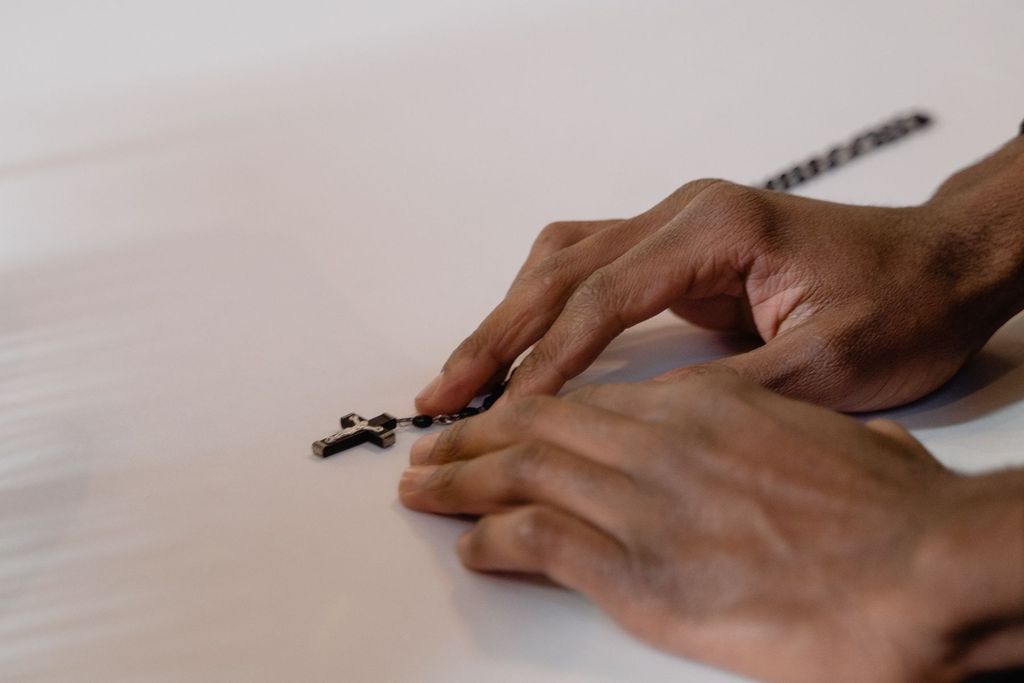
Any baptized Catholic who has reached the age of reason and whose health is seriously impaired by illness or age. In practice that includes:
- anyone about to undergo surgery under general anaesthetic, or a serious procedure;
- anyone diagnosed with a serious or chronic illness, including cancer, heart disease, dementia and serious mental illness;
- the elderly who are noticeably weakened, even without a specific diagnosis;
- children old enough to understand what is happening, when seriously ill;
- anyone whose condition worsens after a previous anointing, or who has recovered and become ill again.
A person who is unconscious or unable to respond can still be anointed if they would have asked for it. The sacrament is not celebrated for someone who has already died; in that case the priest comes to pray with the family and commend the person to God, which is itself a great comfort.
When and how to call
To request an anointing
Office hours (Monday to Friday, 9:00 AM–4:00 PM): phone 416-555-0142 and ask for a priest. If both priests are out, the office will reach one and call you back within the hour.
After hours and weekends, in an emergency: phone 416-555-0142 and press extension 9. This rings the on-call priest directly, day or night. Please use it only for someone who is in danger of death or being taken to hospital urgently.
When you call, tell us the person's name, where they are (home, hospital and ward, or care home and room), how urgent it is, and a phone number for someone who will be with them. If the person can no longer speak, tell us whether they were a practising Catholic and whether they would want the sacrament. The priest comes to the home, to any hospital in the city, or to a long-term care residence. Hospitals in Toronto also have Catholic chaplains on call; ask the nurse to page the chaplain if a parish priest cannot reach you in time. See hospital chaplaincies for details.
What happens during the anointing
Greeting and preparation
The priest greets the sick person and the family, sprinkles the room with holy water and invites everyone to pray. If the person wishes to go to confession, family step out for a few minutes.
Word of God
A short Gospel passage is read, often the healing of the paralytic or the story of Bartimaeus, followed by prayers for the sick person, their carers and their doctors.
Laying on of hands
In silence, the priest lays his hands on the person's head, as Jesus did with the sick.
Anointing
He anoints the forehead and the palms of the hands with the Oil of the Sick, blessed by the Archbishop each Holy Week, and prays: "Through this holy anointing may the Lord in his love and mercy help you with the grace of the Holy Spirit. May the Lord who frees you from sin save you and raise you up."
Communion and blessing
If the person can receive, the priest gives Holy Communion. For someone close to death, this Communion is called viaticum, "food for the journey," and is the sacrament the Church most wants a dying Christian to receive. The rite ends with a blessing for everyone in the room.
The whole rite takes fifteen to twenty minutes. Family and friends of any faith are welcome to stay and pray; it helps to have a small table with a cloth, a candle and a glass of water ready if the priest is coming to a home.
Communal anointing Mass
Twice a year, on the Saturday nearest 11 February (World Day of the Sick) and on a Saturday in October, we celebrate an Anointing Mass at 11:00 AM for anyone who is elderly, chronically ill or facing surgery. The church is arranged so that nobody has to walk far, the Knights of Columbus provide transport from home for those who need it, and lunch follows in the hall. Please phone the office to book a ride. Family members do not receive the anointing but are warmly welcome to come.
Communion to the homebound
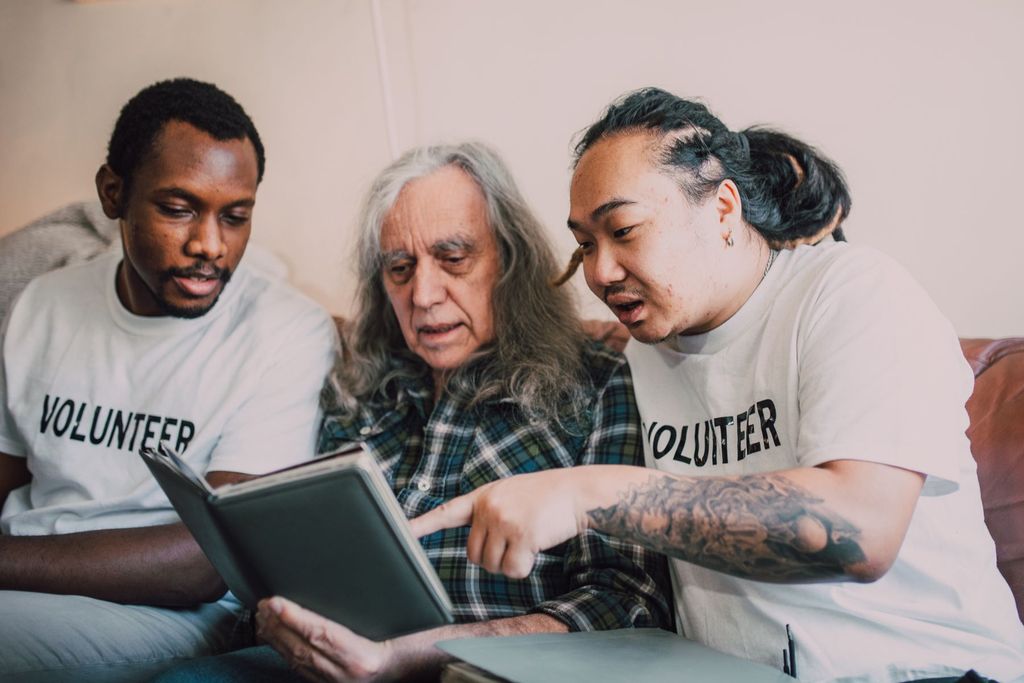
If you or a family member cannot come to Mass because of illness, age or disability, one of our Lay Pastoral Visitors will bring Holy Communion to you at home, usually weekly on Sunday afternoon or a weekday of your choosing. The visitors are trained and commissioned parishioners, screened under the Archdiocese's Safe Environment policy, and they bring the Sunday bulletin and a friendly face as well as the Eucharist. A priest visits each homebound parishioner every few months for confession and anointing. To arrange visits, phone the office or email office@stcolumbatoronto.ca; see also seniors' ministry.
Frequently asked questions
Is this the same as "Last Rites"?
"Last Rites" is an older name for the prayers offered to a dying person, which include confession, anointing and viaticum. Since the Second Vatican Council the Church has been clear that anointing is for the seriously ill, not only the dying. Asking for it early is a sign of faith, not of giving up.
My mother is in a care home outside the parish. Will you come?
Yes, anywhere in the city. If she is far from us, we may also ask the nearest parish to add her to their regular visits, so she is seen more often.
Can a deacon or a lay visitor anoint?
Only a priest can anoint. Deacons and Lay Pastoral Visitors bring Communion, pray with the sick and let the priest know when an anointing is needed.
Is there a fee?
No. There is never a charge for the sacraments of the sick or for visiting the dying.
What should we do when someone dies?
Call the parish as soon as you are able, and then a funeral home. Our funerals page walks you through the next days gently and in order.
Questions? Phone the parish office at 416-555-0142, or in an emergency after hours press extension 9. You are never troubling us; this is what we are here for.